

Precision steel mechanical components are core industrial parts manufactured from high-quality steel using high-precision CNC machining, precision forming, and modification processes; they serve as fundamental building blocks for high-end mechanical equipment. Unlike standard steel parts, they are characterized by exceptional dimensional accuracy, superior structural stability, wear and fatigue resistance, and suitability for rigorous operating conditions. They achieve tolerance levels of ±0.01 mm or even within the micron range, featuring high surface finishes and minimal geometric and positional errors. Widely used in sectors such as precision machine tools, automation equipment, new energy systems, aerospace, military mobile shelters, and intelligent measurement and control, these components are essential for ensuring the high precision, stability, and longevity of machinery, directly determining the operational accuracy and reliability of the entire system.
I. Core Definition and Design Positioning
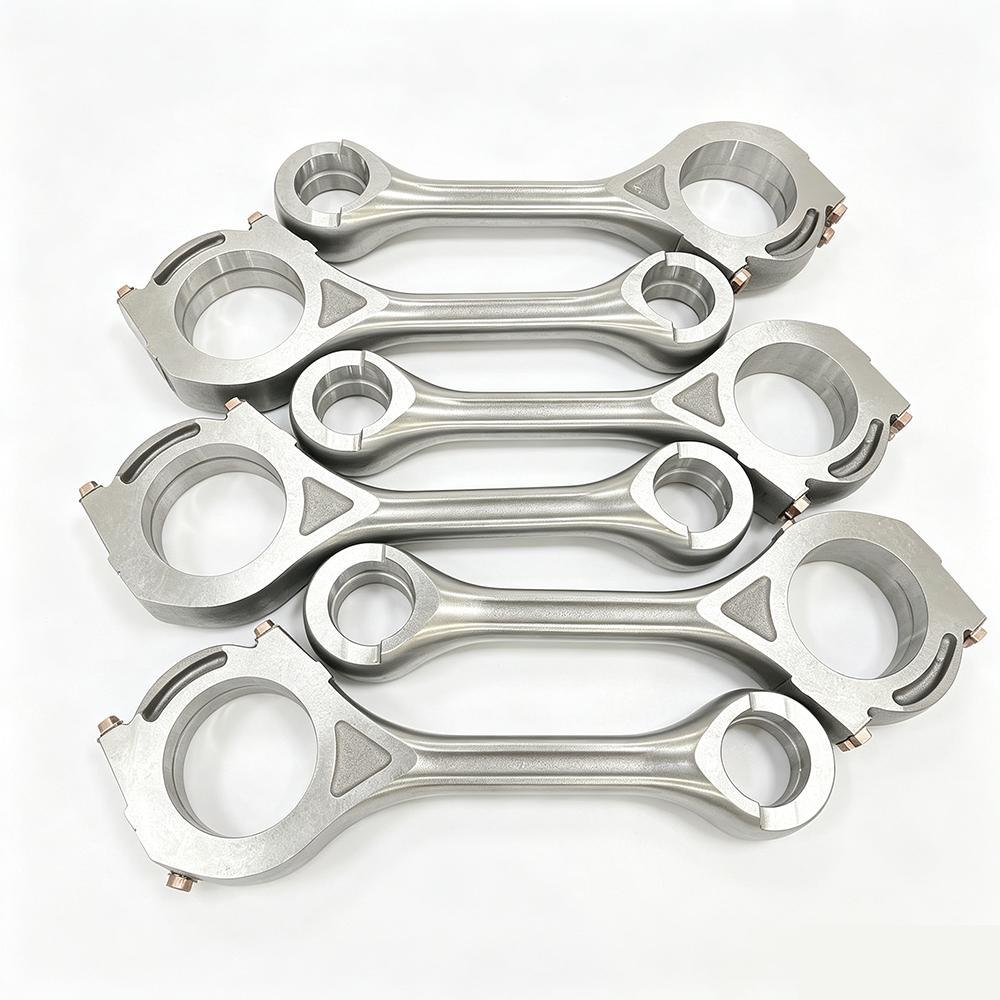
Precision steel mechanical components are standardized or customized parts made from high-quality materials—such as carbon steel, alloy structural steel, and tool/die steel—through a series of precision processes including machining, grinding, stamping, heat treatment, and finishing/polishing. Their design focuses on achieving high precision, rigidity, wear resistance, stability, and longevity, thereby overcoming the limitations of ordinary steel parts, such as low accuracy, susceptibility to deformation, poor wear resistance, and insufficient stability.
Compared to standard mechanical parts, precision steel components adhere to strict manufacturing standards, with rigorous control over dimensional and geometric tolerances, surface roughness, and mechanical properties. They are capable of withstanding complex operating conditions—including high-speed rotation, high-frequency reciprocating motion, heavy-load impacts, and thermal cycling—over extended periods. Meeting the stringent requirements of high-end equipment regarding fit precision, transmission stability, and service life, they serve as critical structural components and foundational elements for modern high-end intelligent manufacturing and the upgrading of precision equipment.
II. Mainstream Base Materials and Performance Characteristics
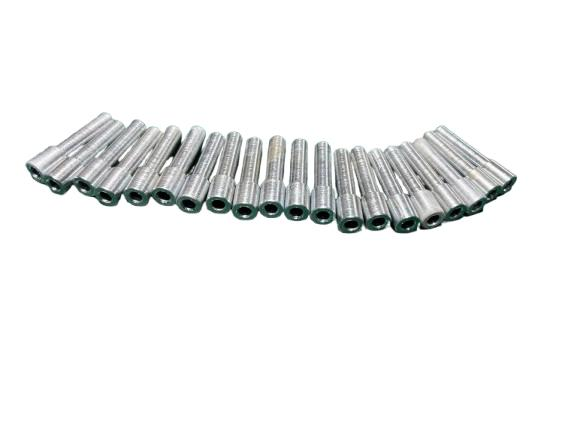
The steel material serves as the fundamental basis for the performance of precision components; different steel grades are suited to specific operating conditions. Mainstream precision steel categories in the industry offer clearly defined performance characteristics capable of meeting requirements for long-term service (over 25 years) and stable, high-precision operation. The core materials are as follows:
1. High-Quality Carbon Structural Steel (S45C, 45#)
A standard precision steel widely used in the industry—often referred to as "general-purpose steel" for mechanical components—it features uniform material properties and excellent machinability. After quenching and tempering, it achieves a balance of strength and toughness, along with good resistance to deformation. It is primarily used for conventional precision parts such as shafts, bushings, washers, standard fasteners, and positioning bases. Suitable for low-to-medium speed and light-to-medium load conditions, it offers a high cost-performance ratio and stability, making it the preferred base material for general precision components.
2. Alloy Structural Steel (42CrMo)
A core material for high-end precision transmission components. Containing chromium and molybdenum, it exhibits exceptional hardenability and minimal deformation during heat treatment. It offers comprehensive performance characteristics—including high strength, wear resistance, impact resistance, and fatigue resistance—ensuring that precision is maintained even during long-term, high-speed operation. It is widely used for critical, high-load, and high-speed components such as machine tool spindle parts, precision lock nuts, transmission connecting rods, heavy-duty positioning pins, and bearing fixtures, making it suitable for the rigorous operating conditions of high-end automation equipment and precision machine tools.
3. Free-Machining Precision Steel (12L14)
A specialized steel for precision machining, featuring an optimized ratio of sulfur and lead. It offers low cutting resistance and produces a high-quality surface finish; machined parts exhibit excellent dimensional consistency, with no burrs or deformation. It is primarily used for the high-precision, mass production of small, standardized components—such as miniature positioning pins, precision screws, slender shafts, and fine-adjustment limit parts—ensuring stable precision and a high yield rate during mass production.
4. Tool and Die Steels (A2, D2)
Specialized steels offering ultra-high precision and hardness; after vacuum quenching, they achieve a hardness of HRC 58–62. They exhibit minimal heat-treatment distortion, exceptional dimensional stability, and superior wear, compression, and corrosion resistance. These materials are primarily used for core components demanding the highest standards of dimensional stability and wear resistance, such as precision measuring tools, positioning elements for jigs and fixtures, precision mold inserts, and ultra-high-precision limit components.
5. Stainless Steels (304, 316L)
Corrosion-resistant precision steels featuring excellent resistance to rust, salt spray, and acid/alkali corrosion. With stable mechanical properties, they are suitable for harsh environments, including humid, outdoor, and coastal settings. They are widely used for precision positioning elements, fasteners, and sealing components in outdoor gear, shelter equipment, food and medical machinery, and marine applications, balancing precision with environmental adaptability.
III. Core Manufacturing Processes
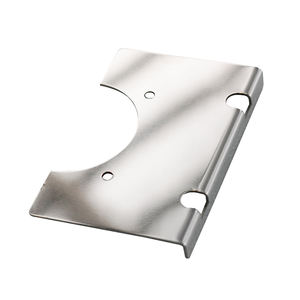
The high precision and stability of these steel mechanical components are achieved through standardized, refined, and end-to-end manufacturing processes. Key steps are strictly controlled to eliminate dimensional deviations and performance defects:
1. Precision CNC Machining: Integrates CNC turning, milling, grinding, and boring. CNC systems precisely control tool paths to achieve micron-level dimensional control; dimensional tolerances are stably maintained within ±0.005 to ±0.02 mm, with minimal geometric and positional errors, ensuring precise component fit.
2. Heat Treatment and Modification: Heat treatment processes—such as quenching and tempering, carburizing, and hardening—are tailored to the specific material and application. These processes precisely adjust hardness, toughness, and fatigue resistance while relieving internal machining stresses, thereby preventing deformation or loosening during long-term use and ensuring lasting dimensional stability.
3. Precision Post-Processing: Includes processes such as precision grinding, mirror polishing, deburring, chamfering, anti-rust passivation, and black oxide or zinc plating. These steps effectively improve surface finish and reduce friction coefficients during mating, while enhancing resistance to rust, wear, and oxidation to meet the demands of long-term service.
4. High-Precision Inspection and Calibration: The entire process utilizes precision equipment—such as coordinate measuring machines (CMMs), micrometers, hardness testers, and surface roughness testers—to conduct comprehensive verification of dimensions, geometric tolerances, hardness, and surface quality. This ensures that every component meets precision standards and delivers consistent performance.
IV. Main Product Categories
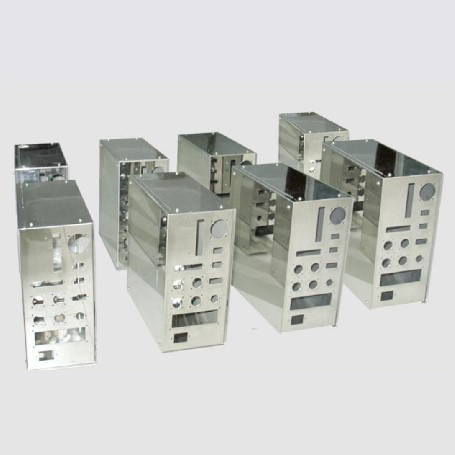
The range of precision steel mechanical components is extensive; based on function and structure, they are classified into five core categories that meet the requirements of various precision equipment:
1. Precision Positioning Components
Includes precision cylindrical pins, spring plungers, locating keys, limit blocks, and datum positioning mounts. Their primary function is to achieve precise equipment alignment and secure positioning. They offer vibration resistance, anti-loosening capabilities, and high positioning accuracy, preventing misalignment or shifting during operation. They are widely used in automation tooling, machine tool fixtures, and mold positioning systems.
2. Transmission and Connection Components
Includes precision drive shafts, connecting rods, gear shafts, spline shafts, lock nuts, and bearing retaining plates. As core components for power transmission, they feature high precision, rigidity, and fatigue resistance. They ensure smooth, vibration-free transmission under high-speed and heavy-load conditions, serving as essential transmission units for machine tools and automated assembly lines.
3. Fastening and Sealing Components
Includes precision stainless steel screws, anti-loosening washers, precision bushings, steel sealing rings, and guide sleeves. These components offer high-precision fits, anti-loosening and anti-vibration properties, and wear-resistant sealing. They effectively prevent loosening, oil leaks, and air leaks during operation, ensuring equipment airtightness and structural stability.
4. Tooling Datum Components
Includes precision steel blocks, datum platforms, tooling inserts, and precision spacers. Serving as reference components for equipment commissioning and machining positioning, they feature extremely high dimensional accuracy and flatness, acting as fundamental reference elements for precision machining and equipment calibration.
5. Custom Non-Standard Precision Steel Parts
Custom-designed steel components tailored to specific equipment structures, manufactured using 5-axis precision machining. These parts meet the specialized requirements of non-standard precision equipment, specialized shelters, military hardware, and high-end measurement and control systems, offering excellent structural fit and compatibility.
V. Key Performance Advantages
1. Ultra-high precision and precise fit
Machining precision reaches the micron level with strict control over dimensional and geometric tolerances. Excellent part interchangeability and mating accuracy enable gap-free, precision assembly, effectively eliminating issues such as looseness, misalignment, or binding common in standard parts, thereby ensuring operational precision.
2. High rigidity and resistance to deformation
High-quality steel combined with precise heat treatment ensures superior structural strength and rigidity. The parts offer exceptional resistance to compression, impact, and deformation; they maintain their shape and precision without bending or degrading even under long-term heavy-load, high-speed operation, significantly enhancing equipment stability.
3. Wear and fatigue resistance for extended service life
High surface hardness and a low coefficient of friction provide outstanding resistance to wear and fatigue. Capable of withstanding continuous, high-frequency reciprocating operation without premature failure, these parts drastically reduce maintenance frequency and the cost of component replacement.
4. High stability across all operating conditions
Stress-relief processing ensures excellent thermal and dimensional stability. The parts perform reliably in complex environments—including temperature fluctuations, direct outdoor exposure, mild vibration, and humid or salt-spray conditions—maintaining precision without drift over long-term service.
5. High versatility and broad compatibility
Standardized components fit the vast majority of precision equipment on the market, while custom-engineered parts precisely match specialized machinery. This balance of mass-production versatility and customization capability meets the requirements of high-end equipment across diverse industries.
VI. Typical Application Scenarios
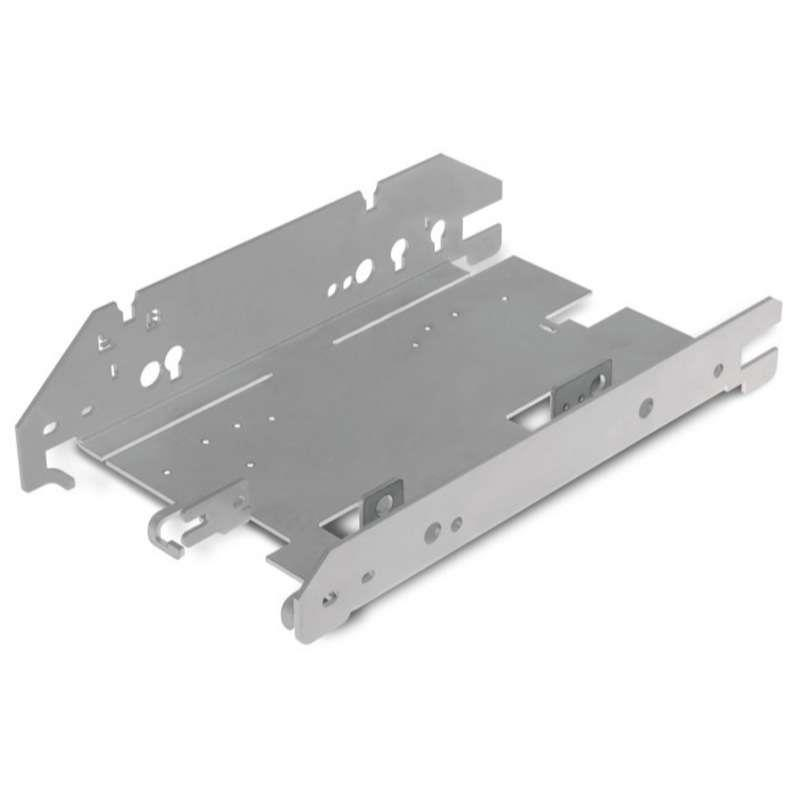
Leveraging core advantages such as high precision, high reliability, and long service life, precision steel mechanical components serve as fundamental industrial parts across the high-end manufacturing sector. Key application scenarios include:
1. Precision Machine Tools and Automation Equipment: CNC lathes, machining centers, robots, and automated assembly lines; used for core components involving transmission, positioning, and locking to ensure machining and operational precision;
2. Specialized Vehicle-Mounted and Shelter Equipment: Mobile command shelters, power distribution shelters, and testing shelters; designed to withstand vehicle vibrations and complex outdoor conditions, ensuring structural stability and operational accuracy;
3. New Energy and Intelligent Equipment: Photovoltaic energy storage systems, lithium battery manufacturing equipment, and intelligent measurement and control instruments; meeting requirements for high-precision assembly and long-term stable operation;
4. Aerospace and Defense Equipment: Various precision defense support equipment and aerospace tooling/fixtures; utilizing ultra-high precision and stability to meet rigorous military standards;
5. Precision Molds and Inspection Equipment: Precision mold inserts, inspection reference components, and tooling positioning systems; ensuring molding precision and inspection accuracy.
VII. Key Points for Daily Use and Maintenance
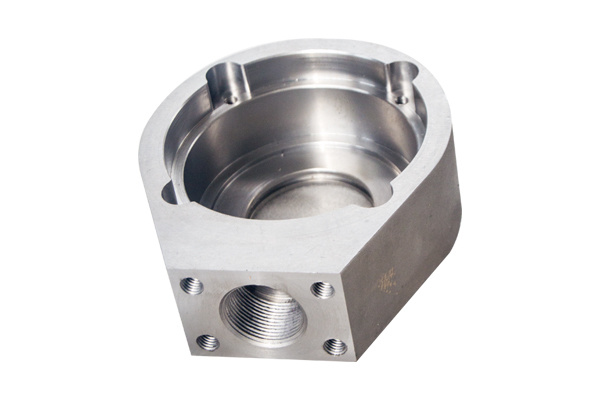
1. Proper Installation and Fitting: Assemble strictly according to fit tolerances; avoid forceful impact or forced installation to prevent deformation or loss of precision; clean impurities from mating surfaces before installation to ensure a precise fit;
2. Regular Cleaning and Maintenance: Periodically remove dust and oil from component surfaces to keep mating surfaces clean and smooth; prevent abrasive wear caused by impurities, which could lead to sticking or precision deviations;
3. Rust and Corrosion Protection: Apply anti-rust oil regularly during idle periods or in humid environments; promptly clean corrosive deposits from stainless steel components to prevent oxidation or rust from affecting precision;
4. Compliant Operation: Strictly avoid operation beyond rated loads, speeds, or temperatures; prevent fatigue deformation or accelerated wear caused by prolonged overloading;
5. Regular Precision Verification: Periodically inspect critical components for dimensional accuracy and fit clearances; promptly replace or recalibrate parts showing wear, looseness, or precision deviations to ensure the stable operation of the entire system.
VIII. Conclusion
Precision steel mechanical components serve as fundamental core units in high-end equipment manufacturing, ensuring the high-precision, highly stable, and long-lasting operation of machinery. By leveraging high-quality steel substrates, precision manufacturing processes, and rigorous quality control, they overcome common industry challenges such as low precision, susceptibility to deformation and wear, and poor stability. Acting as the "minute yet core cornerstone" of industrial manufacturing, these components empower a wide range of high-end sectors—including automation, precision machine tools, specialized mobile shelters, new energy, and defense/aerospace. They are indispensable, foundational elements for the upgrading of modern intelligent manufacturing, the advancement of equipment precision, and the assurance of long-term, stable equipment performance.
leave a message
Scan to wechat :

Scan to whatsapp :