

Robot transmission components constitute the core assembly of parts within a robot's power and motion system. Serving as the medium for transferring power from the motor to the robot's joints and end-effectors, they are critical structural units that enable precise rotation, linear extension/retraction, posture adjustment, and load-bearing movement. Unlike standard mechanical transmission parts, robot transmission components are characterized by ultra-high precision, low backlash, high rigidity, lightweight design, fatigue resistance, and rapid dynamic response. They are engineered to handle specialized operating conditions—such as high-frequency reciprocating motion, rapid start-stop cycles, precision positioning, and flexible load handling—and directly determine the robot's repeatability, motion stability, load capacity, and overall service life. These components are widely used in industrial robotic arms, collaborative robots, humanoid robots, specialized mobile robots, and intelligent automation equipment.
I. Core Definition and Design Positioning
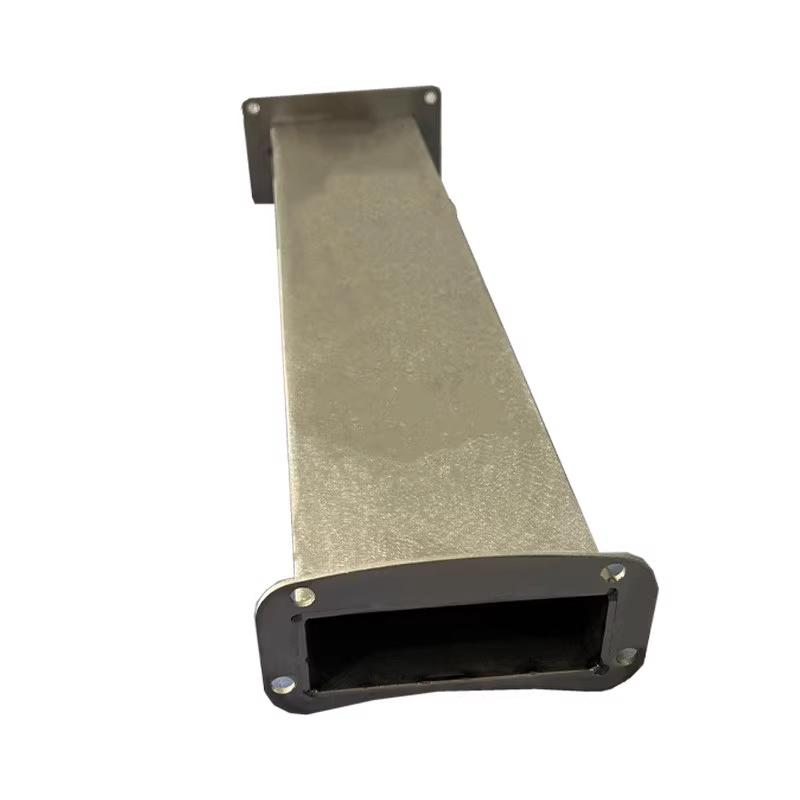
Robot transmission components are precision assemblies tailored to the specific motion characteristics of robots. Their primary function is to transmit, convert, and regulate the power output from the motor, transforming raw high-speed, low-torque motor power into the low-speed, high-torque power required by robot joints. Simultaneously, they facilitate the bidirectional conversion between rotary and linear motion, provide noise and vibration reduction, eliminate backlash, and ensure precise limit control.
Their design positioning distinguishes them from general-purpose mechanical transmission parts; they overcome the drawbacks of traditional components—such as excessive backlash, vibration, low precision, high inertia, and susceptibility to wear—by focusing on five core performance indicators: precision, lightweight construction, low noise, high stability, and long service life. Capable of meeting rigorous requirements for micron-level positioning, sub-millimeter repeatability, high-frequency continuous operation, and the ability to withstand dynamic shock loads, these components form the essential foundation for intelligent, high-precision, and stable robotic operations and serve as a core part of the robot's joint motion system.
II. Mainstream Categories and Operating Principles
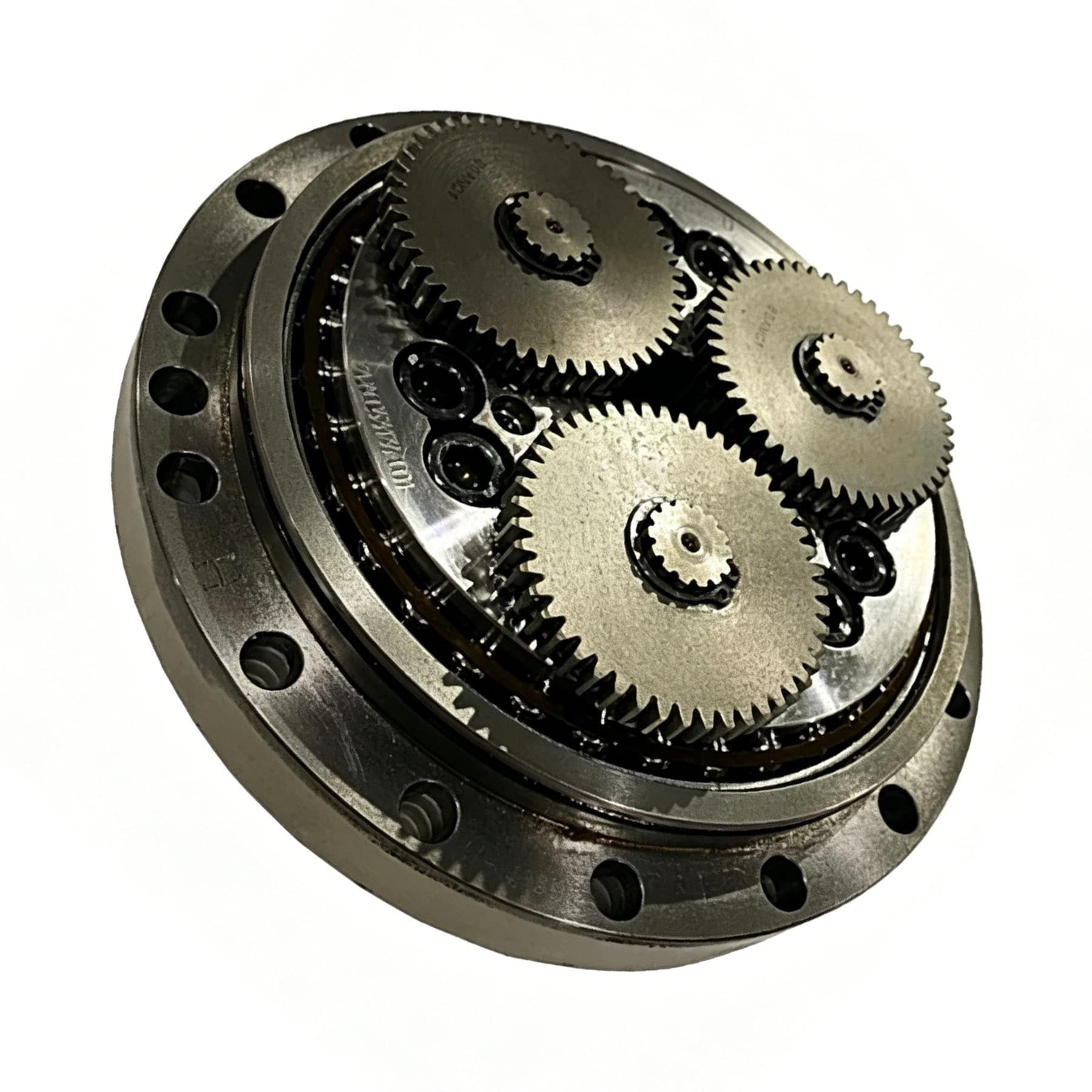
Robot transmission components are categorized based on specific functions, with different parts tailored to distinct joints, load capacities, and motion modes. The five mainstream categories include precision reducers, ball screws/planetary roller screws, synchronous transmission assemblies, precision drive shaft systems, and damping/locking components. Each category performs a specific role, working in concert to execute the robot's complete power transmission and motion functions.
1. Precision Reducers (Core Power Regulation Units)
The reducer is the most critical and cost-intensive transmission component in a robot, often referred to as the "power hub" of robot joints. Its core function involves using mechanisms such as gear meshing and elastic deformation to reduce motor speed and amplify output torque. Simultaneously, it eliminates transmission backlash and enhances motion rigidity, thereby addressing issues like excessive motor speed, insufficient torque, and inaccurate positioning. The industry categorizes them into three main types, suited to different load scenarios:
RV Reducers: Utilizing a cycloidal pin-gear transmission structure, these reducers are compact, highly rigid, impact-resistant, and capable of high gear ratios with minimal backlash. They can withstand shock loads up to 6–10 times their rated capacity and offer exceptional repeatability. They are primarily used in the core, high-load joints—such as the base, waist, shoulder, and elbow—of industrial six-axis robots and heavy-duty robotic arms. They are ideal for applications requiring heavy loads, high precision, and high stability, offering a long service life and excellent fatigue resistance.
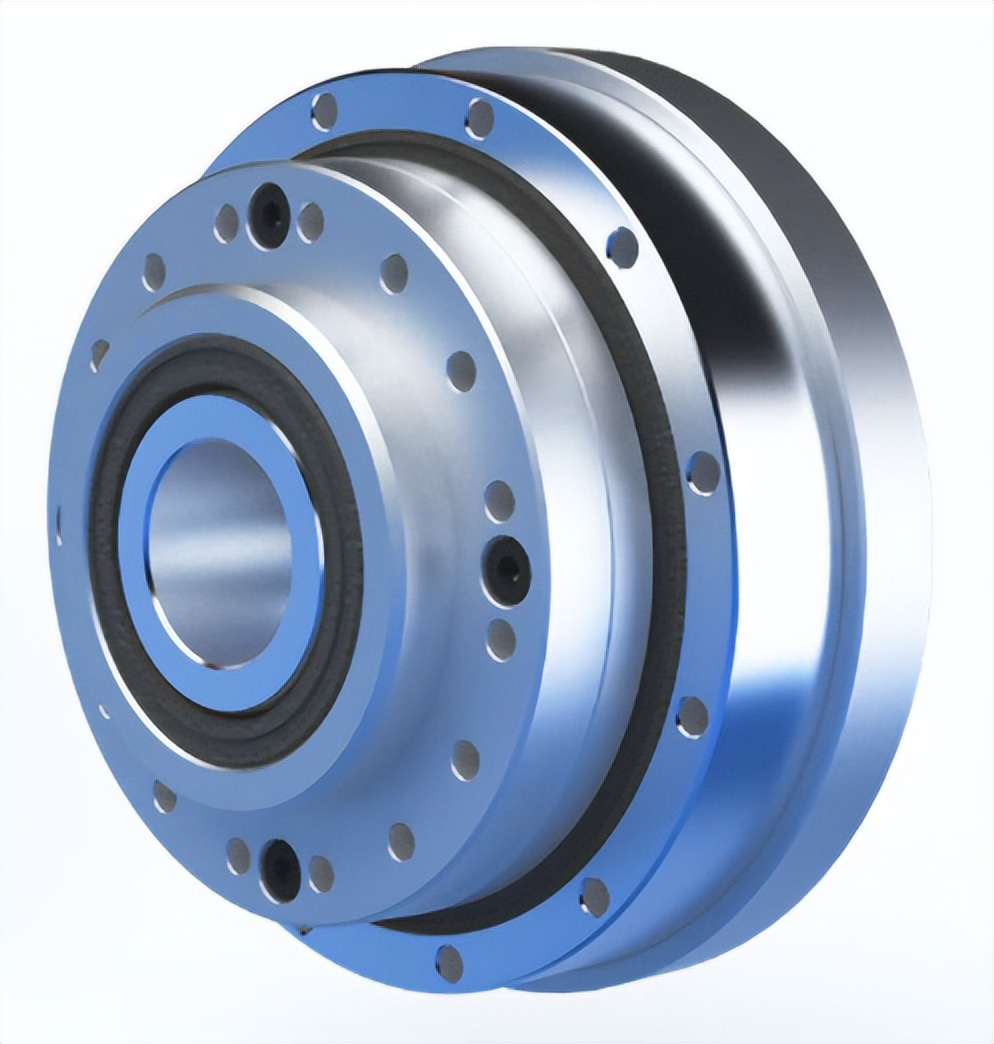
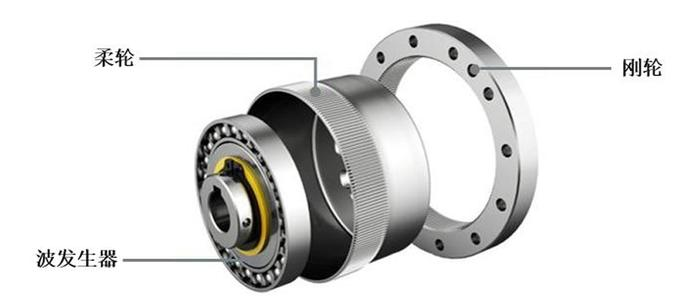
Harmonic Reducers: These transmit power through the elastic deformation of a flexspline. They feature a minimalist, compact, and lightweight design with zero rigid transmission backlash, resulting in extremely high transmission precision and low operating noise. Suited for lightweight, high-precision, and low-load applications, they are widely used in areas demanding strict standards for size, accuracy, and compliance, such as the limb joints of humanoid robots, end-effector joints of collaborative robots, and precision inspection robots.
Planetary Reducers: Composed of a sun gear, planet gears, and a ring gear, these offer a compact structure, manageable costs, simple maintenance, and high transmission efficiency. While they exhibit slight backlash and moderate rigidity, they are frequently used in small collaborative robots and lightweight automated robotic arms, making them suitable for mass-production scenarios requiring cost-effectiveness and handling of small-to-medium loads.
2. Precision Lead Screw Modules (Motion Conversion Units)
The lead screw is a core component enabling the conversion of rotary motion into linear motion in robots. Primarily composed of a screw shaft, a nut, and rolling elements, it utilizes threaded engagement to transform the motor's rotational power into precise linear extension or retraction force. It serves as the essential mechanism for actions such as the pushing of robotic arms, the flexion and extension of limbs, and vertical or horizontal lifting movements. The mainstream types are ball screws and planetary roller screws. Ball screws feature low friction, high precision, and smooth operation, making them suitable for precision linear motion in small-to-medium-sized robots. Planetary roller screws offer superior load-bearing capacity, impact resistance, and longevity; they are primarily used in the knee and ankle joints of humanoid robots and in high-load telescopic mechanisms, capable of withstanding intense reciprocating impacts while ensuring stable and precise limb movement. Compared to standard sliding screws, precision screws operate without sticking or hysteresis and achieve micron-level positioning accuracy.
3. Synchronous transmission components (timing belts and pulleys)
These consist of a toothed timing belt meshing with a precision pulley, transmitting power through tooth engagement. They operate without slippage or speed deviation, enabling precise synchronous transmission between parallel shafts over long distances. Key characteristics include lightweight design, vibration and noise reduction, the absence of metal-on-metal friction, and no need for frequent lubrication; these features effectively reduce the robot's motion inertia and enhance dynamic response speed.
They are suitable for robot end-effectors, lightweight transmission joints, and high-speed linear motion mechanisms. They are frequently used in collaborative robots within food, pharmaceutical, and electronics cleanrooms, meeting operational requirements for low noise, contamination-free performance, and high-speed, precise transmission.
4. Precision transmission shaft accessories
This category includes core components such as precision transmission shafts, spline shafts, couplings, and bearing bushings, which serve as the connecting elements for power transmission. Manufactured from high-precision steel, these parts feature tight tolerances, high coaxiality, and uniform rigidity. They eliminate transmission jitter and eccentricity, ensuring smooth, coaxial power transmission. Precision flexible couplings, in particular, compensate for installation misalignment and dampen operational vibrations, making them essential connecting components for multi-axis robotic systems.
5. Damping and locking transmission accessories
These include precision dampers, anti-loosening locknuts, and positioning/limiting components. Their primary functions are to eliminate transmission backlash, suppress micro-jitter in joints, lock the robot's posture during power outages, and prevent gravity-induced sagging. They effectively enhance static positioning stability, prevent accuracy drift caused by long-term wear, and ensure consistency in repetitive operations.
III. Core Performance Advantages
1. Ultra-high transmission precision with zero positioning deviation
The entire transmission system features a low-backlash, zero-clearance meshing design combined with micron-level precision manufacturing. This enables sub-millimeter repetitive positioning accuracy for the robot, eliminating issues such as transmission hysteresis, drift, or stuttering, and meeting rigorous operational demands like precision assembly, accurate grasping, and high-precision inspection.
2. Efficient power conversion and strong load adaptability
Through torque amplification via the speed reducer and motion conversion via the lead screw, the system perfectly matches the power parameters of the motor and joints, ensuring high power conversion efficiency and minimal energy loss. It adapts to a full range of scenarios—from lightweight precision operations to heavy-load handling—balancing lightweight, flexible movement with rigid support for heavy loads.
3. Excellent dynamic performance and rapid response
Lightweight structural design and low-friction transmission technology effectively reduce the robot's motion inertia. The system supports high-frequency start-stop cycles, rapid directional changes, and continuous reciprocating motion; it offers sensitive dynamic response and smooth motion trajectories without lag or jitter, perfectly suiting high-speed automated production cycles.
4. Stable, low-noise operation with long fatigue life
Precision meshing and shock-absorbing structures minimize hard-friction wear and operational noise, making the system suitable for quiet environments such as human-robot collaboration and cleanroom operations. It also boasts superior impact, fatigue, and wear resistance, enabling long-term, continuous operation with a transmission lifespan reaching tens of thousands of hours, thereby significantly reducing equipment failure rates.
5. Strong environmental adaptability and broad operational compatibility
Core components utilize high-quality alloys, stainless steel, and wear-resistant modified materials. Subjected to heat treatment and anti-corrosion/wear-resistant processing, they withstand complex conditions—including high/low temperatures, humidity, dust, and mild salt spray—meeting the requirements of both harsh industrial environments and clean civilian applications.
IV. Typical Application Scenarios
As the core of robotic motion, robot transmission components are utilized across a wide range of intelligent robotic equipment. Key application scenarios include:
1. Heavy-duty industrial robots: Six-axis industrial robotic arms, heavy-load material handling robots, and welding robots. These utilize RV reducers, heavy-duty ball screws, and rigid drive shafts to perform heavy-load gripping, precision welding, and stable material handling operations;
2. Lightweight collaborative robots: Desktop collaborative robotic arms and precision assembly robots. These employ harmonic reducers and synchronous transmission components to achieve lightweight, high-precision, and flexible human-robot collaborative operations;
3. Humanoid robots: Bionic limbs, torsos, and dexterous hand joints. These use planetary roller screws and miniature harmonic reducers to execute bionic movements such as limb flexion/extension, walking, and grasping;
4. Specialized intelligent robots: Inspection robots, mobile shelter testing robots, and outdoor exploration robots. These rely on highly stable, vibration-resistant transmission components to sustain continuous operation amidst the rough terrain and complex environments of field deployment;
5. Medical and precision intelligent equipment: Medical surgical robots and precision inspection robots. These utilize transmission components featuring ultra-low backlash and ultra-high precision to perform micron-level operations and inspections.
V. Key Points for Daily Use and Maintenance
1. Standardized Load Operation: Strictly prohibit prolonged operation exceeding rated loads or involving high-speed starts and stops; this prevents excessive wear on transmission gears, lead screws, and bearings, thereby avoiding increased backlash and loss of precision.
2. Regular Lubrication and Maintenance: Core transmission components—such as speed reducers, lead screws, and bearings—require periodic application of specialized grease to prevent wear caused by dry friction; surfaces of flexible components like timing belts must be regularly cleaned of dust and debris to ensure precise meshing.
3. Backlash and Precision Verification: Periodically inspect joint transmission backlash, positioning accuracy, and motion stability; promptly adjust locking components and compensate for transmission clearance to eliminate the accumulation of operational deviations.
4. Environmental Protection and Maintenance: Prevent the ingress of dust, oil, and moisture into the transmission structure; for outdoor or humid operating conditions, implement regular anti-corrosion and dust-proofing measures to prevent component rusting, jamming, or failure.
5. Timely Replacement of Aging Components: Regularly inspect wear, aging, and slackness in frequently used, high-load components—such as timing belts, damping elements, and bearings—and replace them promptly to ensure the overall stability of the transmission system.
VI. Summary
Robot transmission components serve as the fundamental core of a smart robot's motion, handling critical functions such as power transmission, motion conversion, precision control, and load support. From torque regulation in speed reducers and motion conversion in lead screws to the precise synchronization of timing components and the stable connection of shaft assemblies, the precision and reliability of the entire transmission system directly determine the robot's operational performance and service life. With the rapid development of humanoid robots and high-end intelligent manufacturing, precision transmission components—characterized by high precision, lightweight design, longevity, and low energy consumption—have become pivotal to the industry's evolution and upgrading; they are indispensable core components enabling intelligent equipment to achieve high-precision, intelligent, and stable operation.
leave a message
Scan to wechat :

Scan to whatsapp :