

PV inverter wall-mounting components—also known as wall-mounting brackets or wall-mount kits—are specialized structural components designed to secure and support PV inverters; they serve as essential auxiliary materials for PV system installation. Engineered for string, micro, and small-to-medium-sized centralized inverters, these components are primarily used to mount inverters securely onto surfaces such as walls, columns, or cabinets, replacing traditional floor-standing setups. Through standardized structural design, they ensure reliable fixation, precise leveling, adequate heat dissipation, and enhanced protection, while balancing ease of installation with long-term operational stability. Widely used in residential PV, commercial and industrial distributed PV, and energy storage-integrated PV systems, they are critical accessories for ensuring the safe, durable, and stable operation of PV inverters.
I. Core Definition and Design Positioning
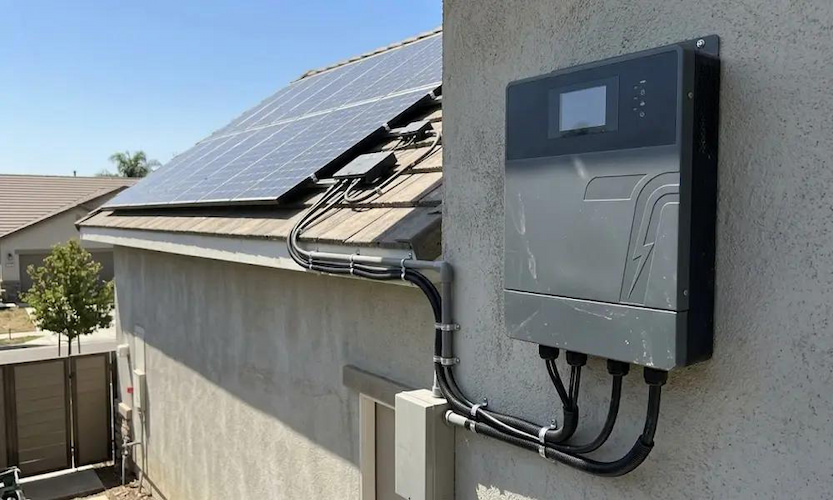
PV inverter wall-mounting components are specialized structural parts developed to meet the demand for lightweight, wall-mounted inverter installations. Distinct from generic hardware brackets, they are positioned as high-load-bearing, highly compatible, corrosion-resistant, easy-to-install, and equipment-protecting solutions. While ordinary, simple brackets offer only basic fixation, professional wall-mounting components constitute an integrated installation system; they precisely match the inverter's mounting holes and dimensions while addressing multiple requirements, including load-bearing, leveling, heat dissipation clearance, anti-detachment, vibration resistance, and environmental protection.
Their core design objectives are to resolve common pain points associated with floor-standing installations—such as large footprint, dust accumulation, moisture-induced corrosion, and inconvenient O&M—and to accommodate diverse installation scenarios, including indoor and outdoor walls, steel columns, and electrical equipment enclosures. These components meet environmental requirements for long-term outdoor service and comply with the IEC 62109 safety standard for PV equipment installation, ensuring structural stability and operational safety under conditions involving wind, sun exposure, vibration, and temperature fluctuations.
II. Overall Structure and Core Components
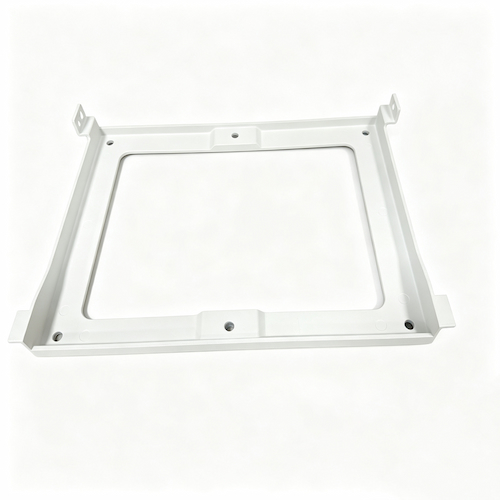
The wall-mounting assembly for PV inverters features a modular, integrated design characterized by a clean, orderly structure and uniform load distribution. Free from redundant parts, it is compatible with wall-mounted inverters across various mainstream brands and power ratings. The complete mounting system comprises five core components that work in concert to handle the entire process of securing, leveling, protecting, and locking the equipment.
1. Main Load-Bearing Mounting Plate
This serves as the primary load-bearing element. Manufactured using integrated stamping or bending processes, the plate features a flat surface and high rigidity, ensuring resistance to deformation. It includes standardized positioning slots, mounting holes, and limiting grooves designed to align precisely with the inverter's rear mounting points, enabling rapid suspension and positioning. The plate utilizes a wide-profile design to evenly distribute the inverter's weight as well as loads from outdoor wind and vibrations; this prevents deformation or detachment caused by localized stress concentration and meets testing standards requiring a load-bearing capacity of three times the equipment's own weight.
2. Locking and Securing Assembly
This assembly includes specialized anti-theft locking screws, anti-loosening washers, mounting bolts, and other hardware, serving as the primary safeguard against equipment detachment. Standard configurations utilize stainless steel fasteners (such as M6, M8, and M10 sizes) and a multi-point locking design. Once the inverter is suspended, it can be firmly locked to the mounting plate via side and bottom screws, preventing loosening, sliding, or shifting. This effectively mitigates displacement risks caused by wind-induced swaying or operational micro-vibrations, making the system suitable for long-term, unattended operation.
3. Leveling Mechanism
Certain upgraded models feature an integrated spirit level or calibration markings, allowing for rapid leveling during installation to prevent tilted mounting. Precise horizontal installation ensures the proper functioning of internal electrical components, heat dissipation systems, and airflow channels. It prevents issues such as uneven heat dissipation, accumulation of water or dust, and abnormal stress on internal components—all of which can result from tilting—thereby effectively reducing the likelihood of equipment failure. 4. Spacing and Clearance Structure
The wall-mounting bracket features integrated protruding spacers that maintain a standard, safe clearance between the inverter body and the mounting wall. This design ensures an unobstructed airflow channel at the rear for heat dissipation, preventing issues such as power derating or thermal shutdown caused by the wall blocking vents. Additionally, it isolates the unit from wall moisture, standing water, and condensation, thereby protecting the rear casing from corrosion and preventing electrical short circuits, which enhances the equipment's moisture and water resistance.
5. Auxiliary Protective Accessories
Includes accessories such as waterproof gaskets, vibration-damping pads, anti-rust coatings, and optional rain shields. Vibration-damping pads absorb operational vibrations and wind loads, reducing structural noise and component wear. Waterproof gaskets seal mounting holes to prevent the ingress of rainwater and dust. Anti-rust protective features ensure suitability for harsh outdoor climates, significantly extending the bracket's service life.
III. Mainstream Materials and Performance Characteristics
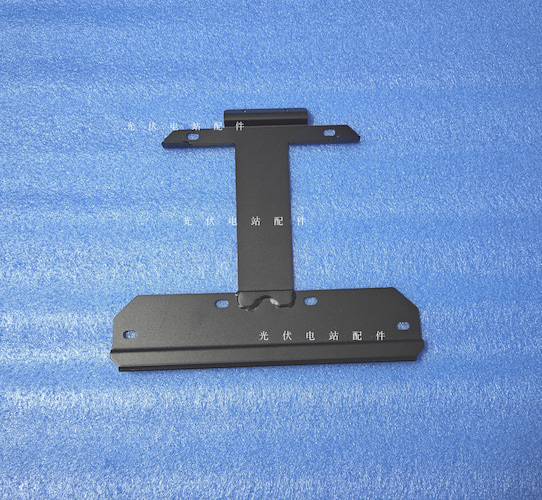
The material of the PV inverter wall-mounting bracket directly determines its load-bearing capacity, weather resistance, and service life. Mainstream industry materials fall into two categories, each suited to different application scenarios, with performance parameters meeting the requirement for a service life exceeding 25 years.
1. Hot-Dip Galvanized Steel (Industry Standard)
Manufactured using a hot-dip galvanizing process on high-quality cold-rolled steel, featuring a coating thickness of ≥85μm and a tensile strength of 250–550 MPa. It offers high load-bearing capacity and excellent rigidity, making it suitable for high-power commercial and industrial PV inverters. The material exhibits superior rust, corrosion, and oxidation resistance, allowing it to withstand harsh outdoor environments—such as coastal areas with salt spray, rainy and humid conditions, and intense heat/sun exposure—for over 25 years. It is the preferred material for commercial/industrial distributed PV systems and outdoor PV power plants.
2. 6063-T5 Aluminum Alloy (Lightweight Choice)
An aerospace-grade aluminum alloy characterized by low weight, high strength, and good toughness, offering excellent oxidation and corrosion resistance. Compared to steel alternatives, aluminum alloy wall-mounting brackets are over 30% lighter, making installation easier and eliminating the need for heavy-duty wall reinforcement; they are ideally suited for small-scale residential inverters and indoor installations. Additionally, their superior thermal conductivity aids in heat dissipation; they feature a clean, aesthetic appearance, are rust-resistant, and require minimal maintenance.
IV. Key Functional Advantages
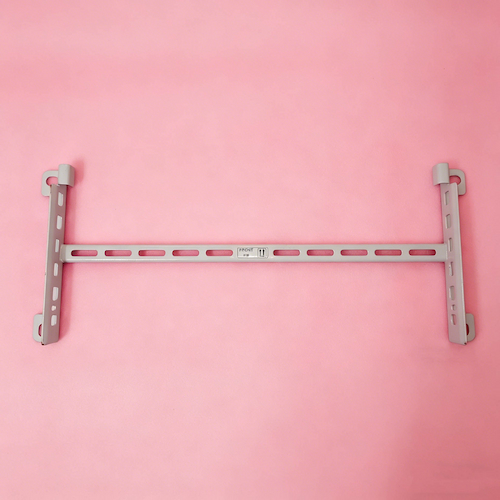
1. Stable Load-Bearing and Anti-Dislodgement Design
Utilizing a high-strength, integrated structure and a multi-point locking mechanism, the bracket ensures even load distribution and stability. It withstands external factors such as strong winds, equipment vibration, and thermal expansion/contraction, effectively preventing loosening, detachment, or tilting. It fully complies with safety standards for PV equipment installation, ensuring structural integrity for long-term operation.
2. Optimized Heat Dissipation and Reduced Failure Rates
A standardized standoff design precisely maintains airflow channels behind and alongside the unit, ensuring the inverter's cooling system operates efficiently. This prevents issues caused by flush mounting—such as poor heat dissipation, power derating due to high temperatures, or shutdowns from overheating—thereby boosting power generation efficiency and extending the inverter's service life.
3. Enhanced Protection for Diverse Environments
The unit is fully resistant to rust, water, moisture, and salt spray. Combined with sealing and vibration-dampening features, it adapts to various conditions—including dry indoor settings, exposed outdoor areas, highly corrosive coastal regions, and environments with extreme temperature fluctuations—preventing damage to the inverter casing and internal components caused by wall moisture, rain, or dust.
4. Efficient Installation and High Compatibility
Standardized mounting holes ensure compatibility with mainstream string inverters from brands such as Huawei, Sungrow, Growatt, and Sofar. No on-site drilling or modification is required, allowing for rapid mounting and secure locking. The structure is highly versatile, compatible with various mounting surfaces including concrete walls, brickwork, steel columns, and electrical equipment enclosures.
5. Space-Saving and Easy Maintenance
Wall-mounted installation replaces bulky floor-standing racks, significantly saving space in equipment rooms, power distribution rooms, and outdoor areas while creating a neat, organized layout. Additionally, the equipment is mounted with clear, unobstructed access, allowing O&M personnel to easily perform inspections, wiring, cleaning, and maintenance, thereby reducing the difficulty and cost of long-term operations.
V. Standard Installation Procedures and Specifications
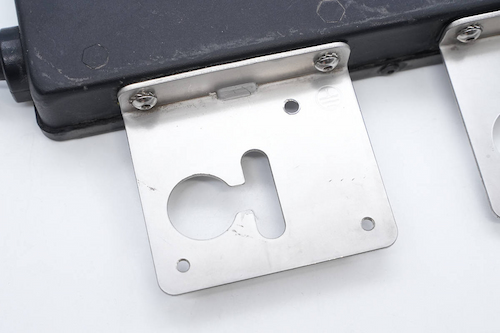
The installation of the PV inverter wall-mounting bracket must follow standardized procedures to ensure installation precision and structural reliability. The key steps are as follows:
1. Site Selection: Prioritize a wall or pillar that is flat, sturdy, and capable of supporting the required load. Avoid areas prone to water accumulation, spots exposed to intense direct sunlight with poor airflow, or poorly ventilated spaces; ensure sufficient clearance for heat dissipation and maintenance access.
2. Positioning and Drilling: Use the bracket’s leveling mechanism to accurately position and mark the drill holes. Drill vertically using an impact drill, clear out any dust from the holes, and ensure the mounting points are smooth and secure.
3. Mounting Plate Installation: Insert the supplied expansion bolts, mount the main bracket plate horizontally onto the installation surface, and tighten the fixing screws; ensure the plate is stable, level, and free from wobbling or tilting.
4. Mounting and Locking: Precisely hang the inverter onto the bracket’s retaining slots, adjust the device to ensure it is level, install the anti-loosening locking screws, and secure the unit at multiple points to prevent any displacement.
5. Acceptance Inspection: Manually shake the device to verify stability; check the leveling, heat dissipation clearances, and locking status; and complete the installation process only after confirming there are no safety hazards or defects.
VI. Typical Application Scenarios
Leveraging advantages such as high compatibility, high reliability, and ease of maintenance, PV inverter wall-mounting brackets cover the vast majority of distributed PV application scenarios. Key scenarios include:
1. Residential Distributed PV: Rooftop PV systems for rural self-built homes and villas; inverters are mounted on exterior walls or balcony walls, ensuring a neat appearance without occupying indoor space;
2. Commercial & Industrial PV: Rooftop PV for factories, warehouses, and office buildings; inverters are mounted on walls or steel structural columns, accommodating high-power units and meeting long-term outdoor operation requirements;
3. Energy Storage Systems: Inverters paired with integrated PV-plus-storage containers or energy storage cabinets; standardized wall-mounting fits the compact spaces of containers, ensuring stable equipment operation;
4. Small-scale Distributed Power Plants: Agricultural PV, municipal PV, and micro-PV plants in remote areas; adaptable to complex installation environments, reducing the burden of outdoor operation and maintenance.
VII. Daily Maintenance and Usage Guidelines
1. Regular Structural Inspections: Check the tightness of mounting screws and the condition of the bracket (looking for deformation) on a quarterly basis; prioritize identifying issues such as loose screws, rust, or cracked welds caused by outdoor conditions, and promptly tighten or replace parts;
2. Cleaning and Dust Removal: Regularly clear dust and debris from the airflow channels between the mounting bracket and the inverter to ensure unobstructed heat dissipation and prevent poor heat dissipation or localized overheating caused by dust accumulation;
3. Anti-corrosion Checks: In coastal or high-rainfall areas, inspect the condition of the bracket's galvanized or oxide coating every six months; promptly apply anti-corrosion treatments if paint peeling or rusting occurs to extend the bracket's service life;
4. Prohibition of Unauthorized Modifications: Strictly prohibit unauthorized cutting, grinding, or structural modification of the mounting brackets; do not overload the bracket by installing incompatible high-power inverters, as this could compromise structural load-bearing capacity and create safety hazards;
5. Vibration Hazard Checks: In scenarios with strong winds or significant equipment vibration, regularly inspect the condition of anti-loosening washers and vibration-damping pads; promptly replace worn or ineffective components to ensure long-term, stable equipment operation.
VIII. Conclusion
The wall-mounting bracket for photovoltaic (PV) inverters is an indispensable, specialized component for support and protection in distributed PV systems. Although seemingly simple, it directly impacts the inverter's operational stability, heat dissipation efficiency, and service life. Through specialized and standardized structural design, it effectively resolves the drawbacks associated with floor-mounted installations—such as large footprint requirements, susceptibility to moisture, poor heat dissipation, and maintenance difficulties. With core advantages including robust load-bearing capacity, efficient heat dissipation, adaptability to diverse environments, and ease of installation, it is suitable for a wide range of PV applications, including residential, commercial and industrial, and energy storage systems. Serving as an "invisible safety barrier" for PV systems, high-quality wall-mounting brackets provide a crucial foundation for ensuring long-term stable power generation, minimizing maintenance issues, and enhancing overall system reliability.
leave a message
Scan to wechat :

Scan to whatsapp :