
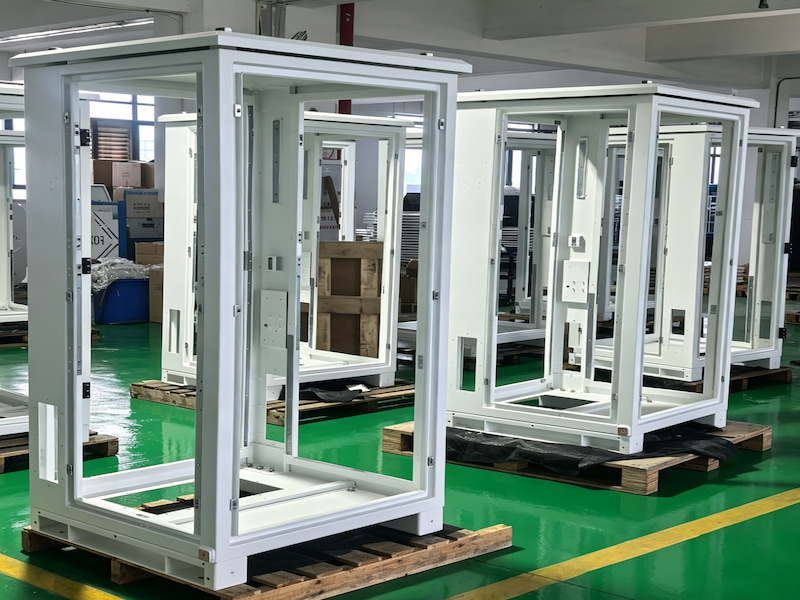
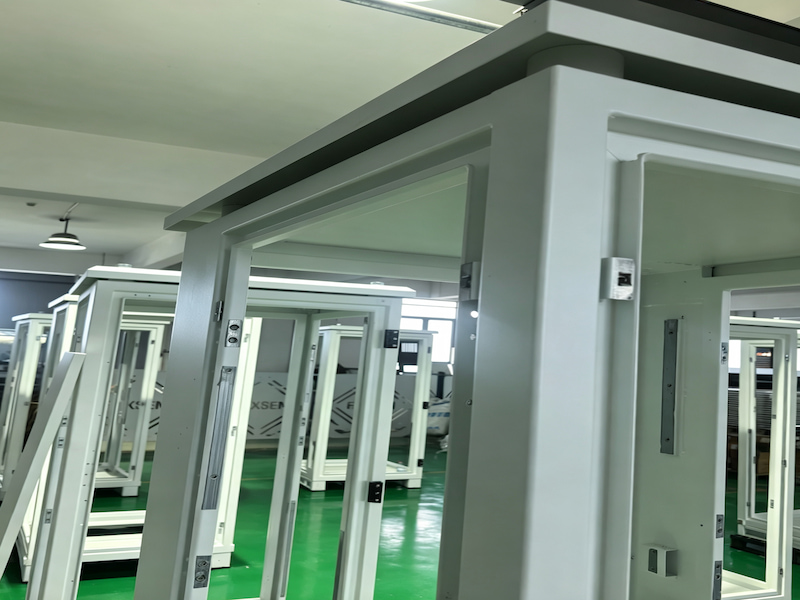
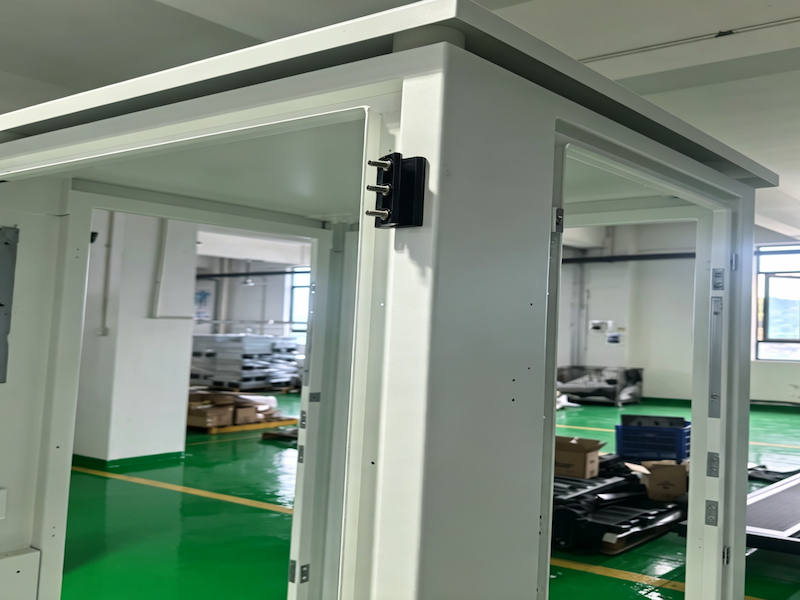
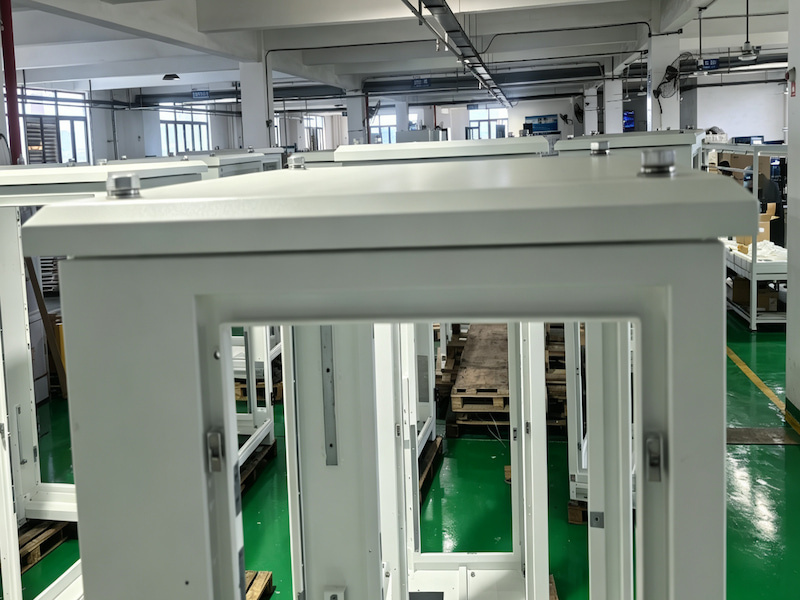
The photovoltaic (PV) energy storage inverter cabinet is a sheet metal cabinet that is the core of the energy storage system and is used to load energy storage inverters, confluences, and monitoring and protection components. PV ESS Inverter Cabinet has a high-strength frame structure that meets outdoor/indoor installation, protection, corrosion resistance, and vibration resistance. It is suitable for photovoltaic energy storage power stations, industrial and commercial energy storage, and household storage facilities, and meets the requirements of C5 high anti-corrosion level environments.
Item No :
PSMFP-0004Order(MOQ) :
1Payment :
50% T/T in advance, Balance paid again when finishing production and before shipmentProduct Origin :
XiamenColor :
RAL、PANTONE、GSB05···Custom colorsShipping Port :
Xiamen Port,ChinaLead Time :
20-30daysWeight :
As per product's size and thickness and materials.Photovoltaic Energy Storage Inverter Cabinet / PCS Cabinet for PV & Energy Storage / PV ESS Inverter Cabinet
Product Description: PV energy storage inverter cabinets, PCS (Power Conversion System) cabinets, energy storage inverter enclosures, PV grid-tied inverter cabinets, integrated energy storage cabinets, outdoor energy storage inverter control cabinets.
Model: OEM, ODM
Base Material: Primarily galvanized sheet metal; frame thickness: 2.5mm.
Manufacturing Process:
1. Material Cutting: CNC shearing to cut sheets to standard dimensions.
2. CNC Punching / Laser Cutting: Machining of oval display cutouts, cable entry holes, screw mounting holes, and ventilation vents.
3. Press-fitting (Hardware Insertion): Press-fitting of nuts and studs.
4. Sheet Metal Bending: Integrated bending to form cabinet sidewalls, door frames, and rounded corner profiles.
5. Welding: Spot welding or seamless full-seam welding of cabinet corners to ensure a watertight seal, structural stability, and high load-bearing capacity.
6. Grinding and Leveling: Grinding and polishing of weld seams; removal of burrs and sharp edges.
7. Surface Coating/Finishing.
8. Quality Inspection, Cleaning, Packaging, and Shipment.
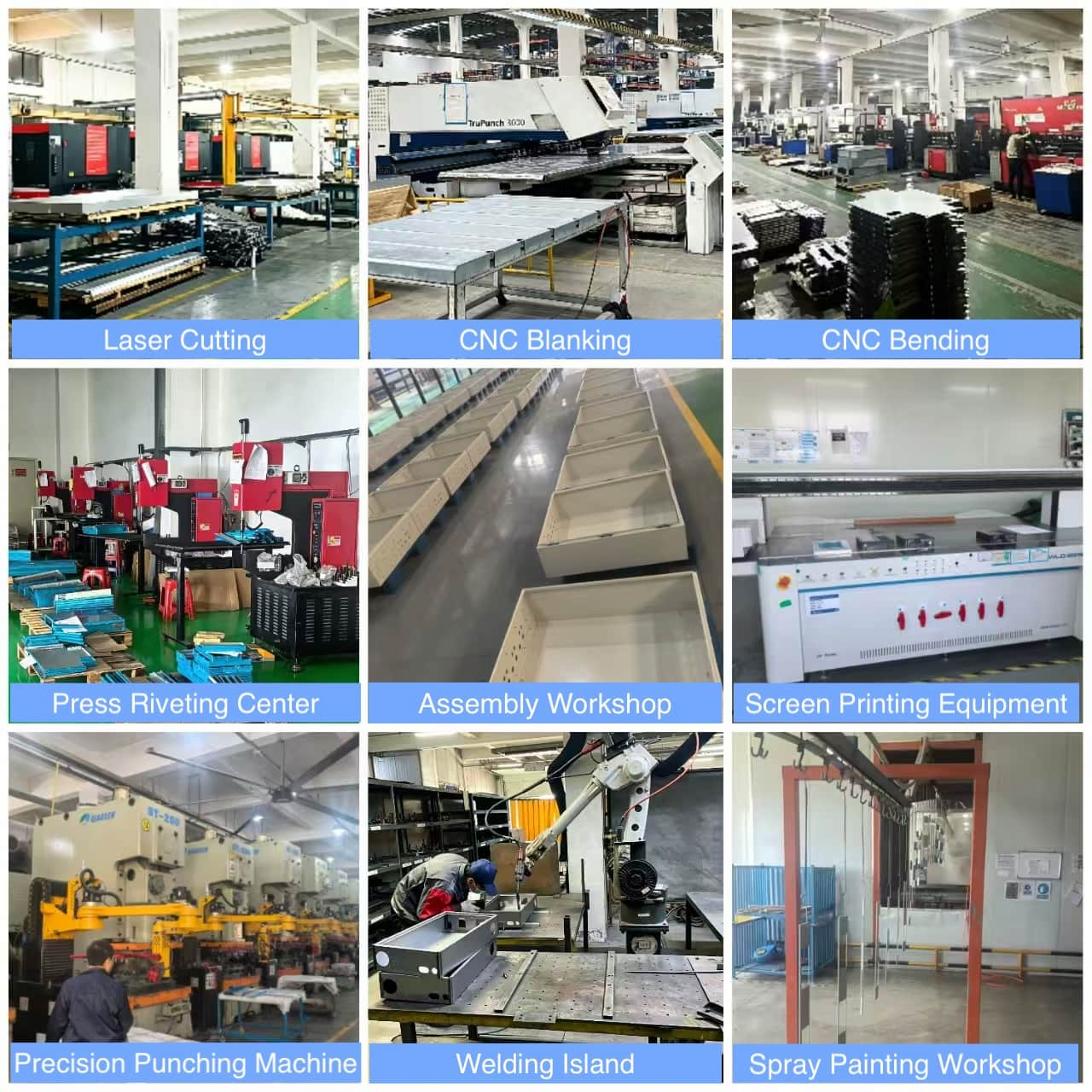
Precision: Dimensional tolerances for length, width, and thickness: ±0.3–0.5 mm; positional tolerances for various cutouts/openings: ±0.2 mm.
Surface Treatment: Dual-layer coating system; zinc-rich primer base coat followed by a C5-grade outdoor polyester powder topcoat.
Unit Price: Quoted based on drawings.
Packaging:
1. Internal Cushioning: Full coverage of the cabinet interior with EPE foam; thickened EPE padding at vulnerable areas—such as corners, ventilation vents, and door frame seams—to prevent paint scratches, deformation, or damage from transport vibrations and compression.
2. Internal Moisture & Rust Protection: Desiccants placed inside the cabinet to absorb condensation caused by temperature fluctuations during ocean shipping, preventing steel corrosion.
3. Exterior Sealing: The entire unit is wrapped in PE moisture-proof and waterproof film to block seawater mist and humidity.
4. Carton & Corner Reinforcement: Encased in a heavy-duty, 7-layer export-grade corrugated cardboard box; solid wood corner protectors installed at the four corners to prevent damage from impacts or crushing during loading and unloading.
5. Bulk Shipment: Packed on ISPM15-compliant heat-treated solid wood pallets; units are neatly stacked and secured with stretch wrap. This meets global customs quarantine standards for wood products and facilitates forklift handling, container stacking, and long-distance ocean transport.
6. Extra-Large Multi-Unit Cabinets: Encased in IPPC-compliant plywood crates. For this large-scale triple-unit cabinet, a sealed, fumigation-free IPPC plywood crate is the preferred choice; it offers superior structural rigidity and sealing, provides enhanced shock and moisture resistance for long-distance ocean shipping, and ensures smooth customs clearance without quarantine-related delays.
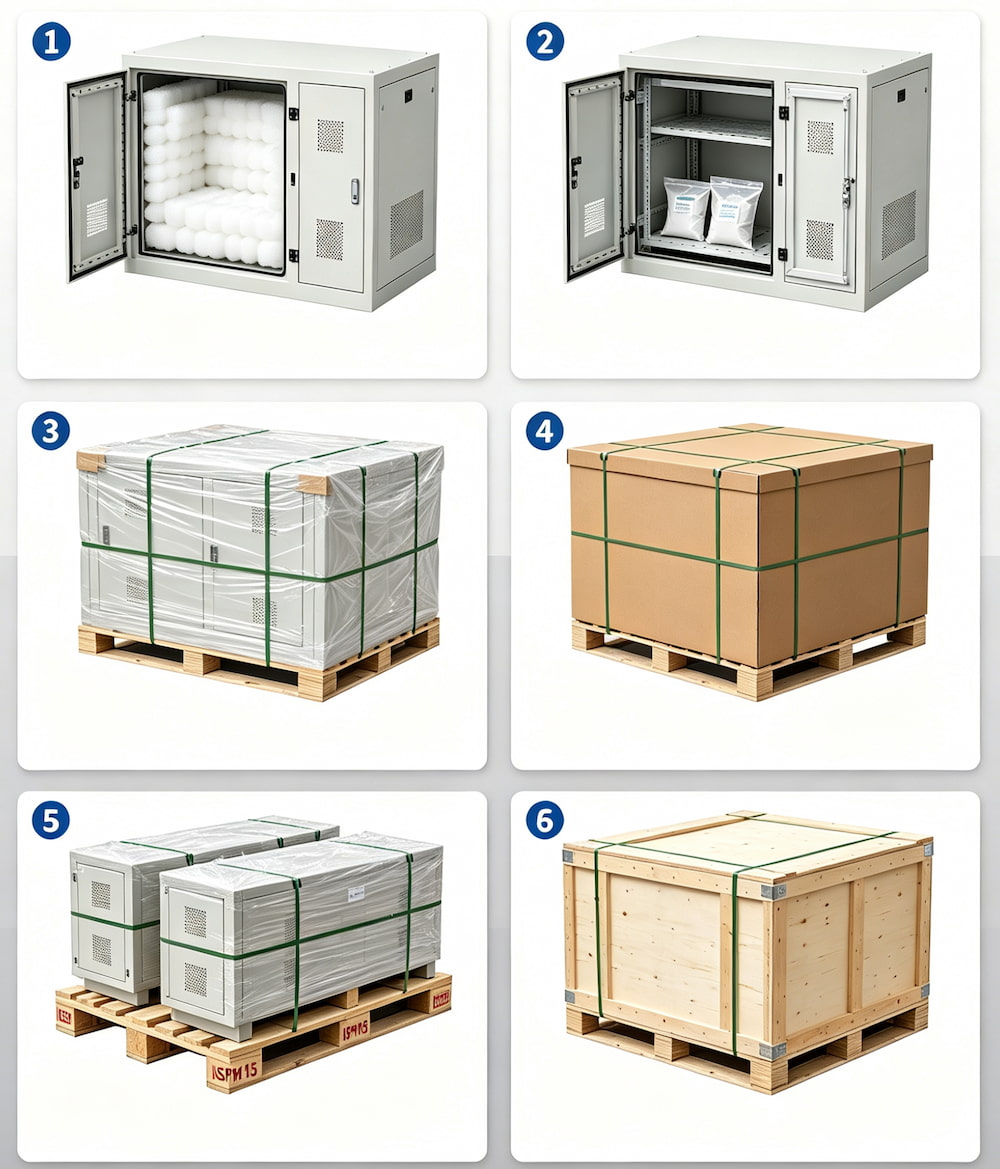
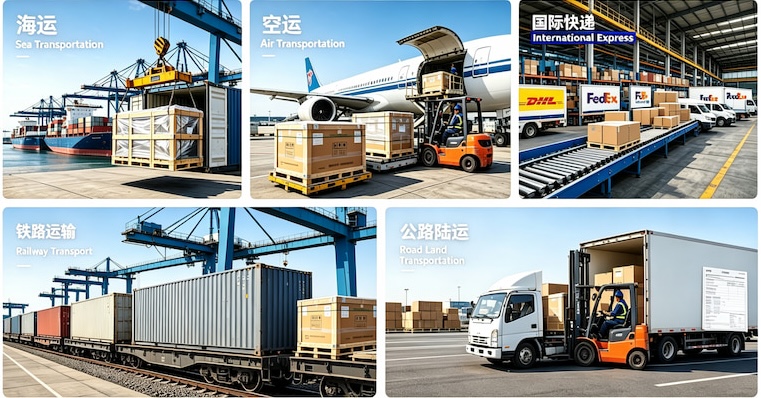
Logistics:
1. Internal Cushioning & Protection: The interior walls of the cabinet are fully lined with EPE (expanded polyethylene) foam. Extra-thick EPE padding is applied to vulnerable areas—such as corners, ventilation vents, and door frame seams—to prevent scratches, dents, or structural deformation caused by bumps and compression during transit.
2. Built-in Moisture & Rust Prevention: Desiccants are placed inside the cabinet to absorb condensation caused by temperature fluctuations within shipping containers, effectively preventing the steel from rusting due to moisture.
3. Complete Sealing & Waterproofing: The entire unit is wrapped in PE moisture-proof and waterproof film to block out seawater mist and humidity.
4. Carton & Corner Reinforcement: The unit is encased in a heavy-duty, seven-layer export-grade corrugated cardboard box. Solid wood corner protectors are installed to provide rigid protection against impacts and crushing during loading and unloading.
5. Bulk Shipment: Units are neatly stacked on heat-treated, ISPM15-compliant solid wood pallets and secured with stretch wrap. This method meets global customs requirements for wood packaging, facilitates forklift handling, and allows for efficient container stacking during long-distance ocean transport.
6. Large-Scale Multi-Unit Assemblies: Encased in IPPC-compliant plywood crates. For this large three-unit assembly, a sealed, fumigation-free IPPC plywood crate is used. This provides superior structural rigidity and sealing, offers enhanced shock and moisture resistance for long-haul ocean shipping, and ensures smooth customs clearance without quarantine-related delays.
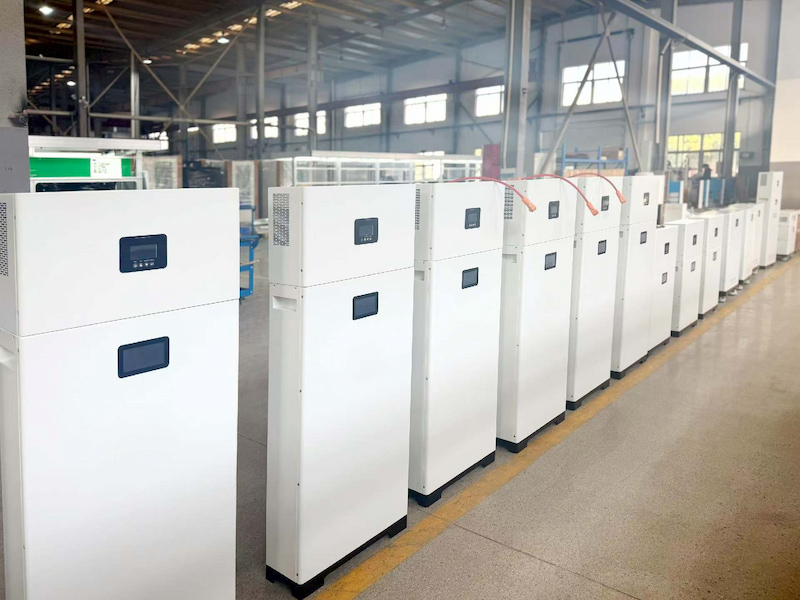
The Household Energy Storage Box / Enclosure serves as the core sheet-metal housing for home energy storage systems, designed to encase components such as battery packs, BMS modules, and wiring protection assemblies. It provides essential functions including sealing and protection, electrical insulation, and structural support. Suitable for energy storage applications paired with distributed residential solar power (including villas), the enclosure is dustproof, moisture-resistant, and impact-resistant; it accommodates both indoor wall-mounted and outdoor installations, supports OEM/ODM customization, and balances lightweight design with structural strength.
View More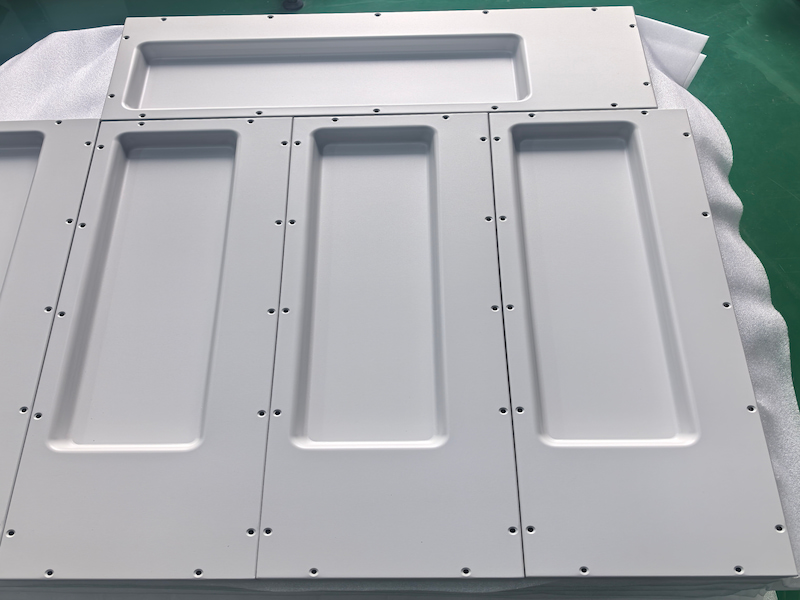
Components for Electric Motorcycle Battery Packs serve as critical precision structural and conductive elements within the battery pack assembly. These components—ranging from protective housings, mounting brackets, and conductive contact springs to insulation parts, shock-absorbing structures, and sheet metal mounting assemblies—are specifically engineered for the power battery systems of electric motorcycles and electric mopeds. They facilitate secure cell retention, safe electrical connectivity, comprehensive sealing and protection, vibration and noise reduction, and structural reinforcement. As fundamental components, they ensure safe energy storage, stable discharge, and long-term operational reliability, making them widely compatible with the battery systems of various new energy two-wheelers, including commuter electric motorcycles, high-speed electric motorcycles, and electric cargo bikes.
View More
The photovoltaic (PV) energy storage inverter cabinet is a sheet metal cabinet that is the core of the energy storage system and is used to load energy storage inverters, confluences, and monitoring and protection components. PV ESS Inverter Cabinet has a high-strength frame structure that meets outdoor/indoor installation, protection, corrosion resistance, and vibration resistance. It is suitable for photovoltaic energy storage power stations, industrial and commercial energy storage, and household storage facilities, and meets the requirements of C5 high anti-corrosion level environments.
View More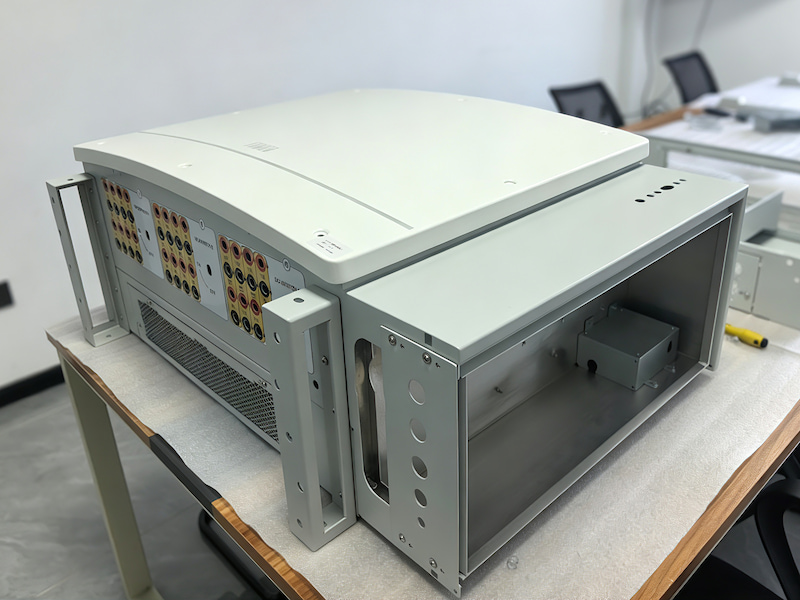
The PV Inverter Sheet Metal Enclosure is the core load-bearing sheet-metal enclosure designed to house components such as power modules, main control boards, terminal blocks, and heat dissipation assemblies. It features robust mechanical strength, effective heat dissipation and ventilation, electromagnetic shielding, dust and vibration resistance, and suitability for centralized/string PV power plants, commercial and industrial distributed PV systems, and energy storage inverter equipment. It supports OEM/ODM customization and is designed for both indoor cabinet installation and diverse outdoor operating conditions.
View Moreleave a message
Scan to wechat :

Scan to whatsapp :